Australia's Most Unique Animal!
Platypus are a key indicator of a healthy waterway, eating sensitive waterbugs (aquatic macroinvertebrates) and relying on clean rivers to move freely.
They are an apex predator in freshwater ecosystems, only found in Australia. Known at a monotreme, platypus are one of only two mammals that lay eggs alongside the echidna. Platypus are a culturally important species to Aboriginal communities.
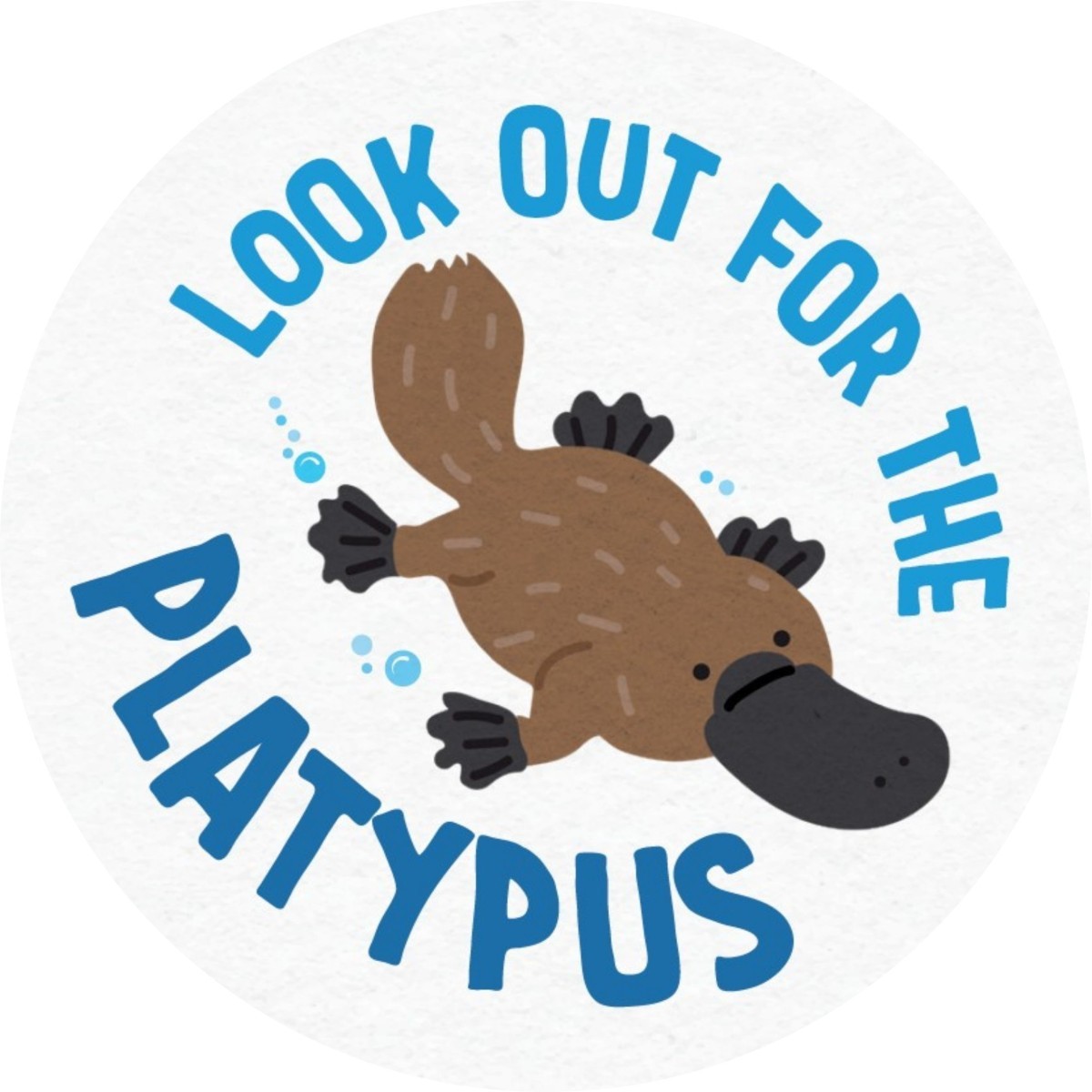
Platypus numbers are declining Statewide and we need your help to Look out for the Platypus. Protecting the platypus helps protect our waterways, wildlife, and environment.
How to spot a platypus
Best Times:
- Early morning
- Late afternoon and evening
- August - September is mating season
- December - February you may see young platypus out and about, days are longer meaning there are more light hours in the morning and evening for you to spot a platypus
Best Places:
- Calm freshwater creeks, rivers, ponds, with overhanging banks and still pools
Be still, quiet and wait:
- Sit and observe. Avoid noise and sudden movements
- It may take 30 minutes for the landscape to calm after your arrival and wildlife to feel safe to explore in your presence
What to Look For:
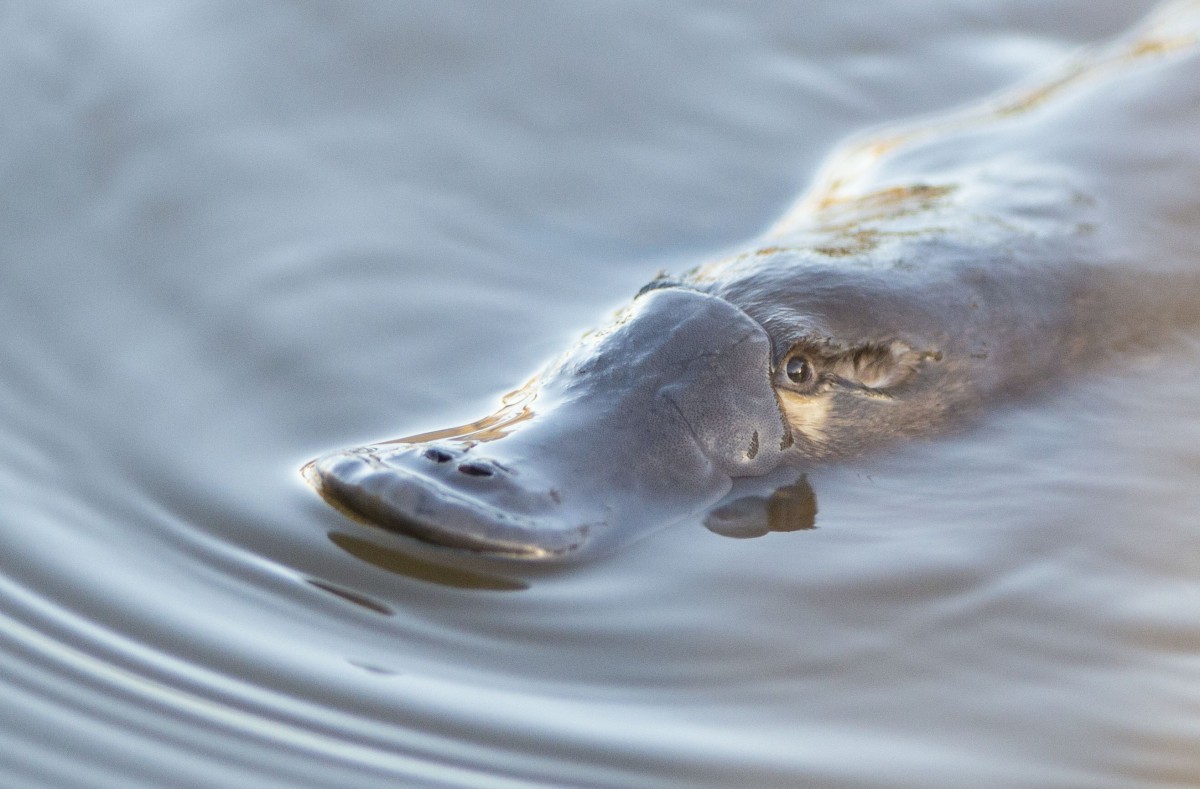
- Small brown animal floating low in the water (40-50cm long)
- Flat, paddle-shaped tail & duck-like bill
- Smooth, silent dive
- Circular ripples on the water surface
- Bubbles rising or a dark shape breaking the surface as they forage underwater
- Pops up for a breathe and to crush it's food close to where it dived (within 10–20 metres)
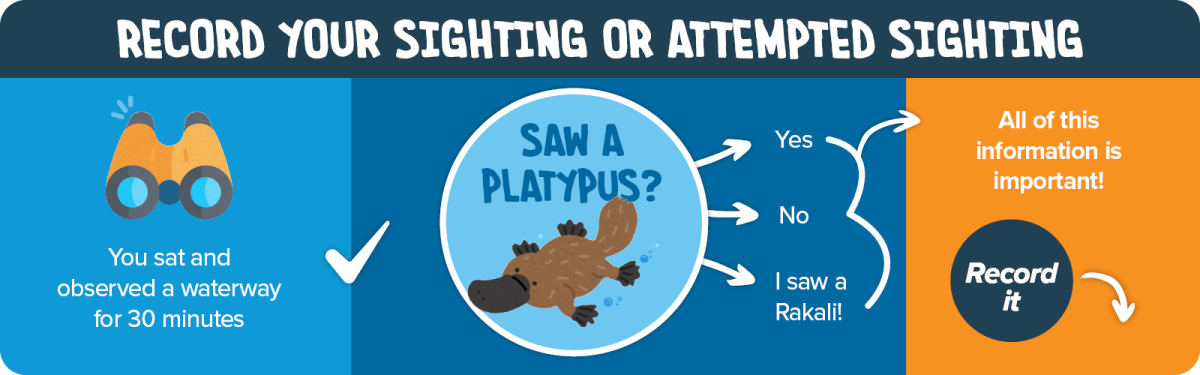
Have a platypus photo or video?
Report Sightings to Platy-Project - ACF
Don't have a photo or video? or think it might be a rakali?
Platypus Facts!
- They have webbed feet,
a duck-like bill, and a flat tail
used for storage of fat - A platypus closes its eyes,
ears and nose underwater - it
finds food using electroreception
(detecting tiny electric signals from
its prey) - Platypus have no teeth, they pick up sand
and rocks to help mash their food between
grinding plates in their jaws - A male platypus has venomous spurs on
its back legs - Platypus fur is extremely thick - up to 900 hairs per
square millimetre - keeping them warm in cold water - They can stay underwater for up to 2 minutes while
foraging - Platypus live for up to 21 years in the wild
- Babies are sometimes called platypups or puggles

An urban rivers Platypus recovery initiative
Platy Patch is a collaborative, statewide waterway project focused on improving the habitat of Platypus at 14 locations across Victoria. There are 16 identified species that will also benefit from Platy Patch.
Three locations are within the Goulburn Broken Catchment: Goulburn River, Broken River and Sevens Creek
Waterway rehabilitation works are underway at these three sites and include revegetation of native plants, removing weeds and placement of habitat logs or root balls within the riverbed.
Learn more about the works taking place through the Goulburn Broken Catchment Management Authority.
What to find out more? Attend an upcoming event
There are no upcoming events to display at this time.
That doesn't mean that there's nothing on. Please check back later or get in touch to learn more about what's coming up.
The Platy Patch Project is jointly funded by the Australian Government’s Natural Heritage Trust under the Urban Rivers and Catchments Program, the Victorian Government, and Melbourne Water, under the guidance of the Arthur Rylah Institute, with the support of One Tree Planted, Ballarat City Council, Coliban Water, Zoos Victoria, and catchment management authorities.